The Invisible Revolution: How Poker Bots Are Rewriting the Game of 2026
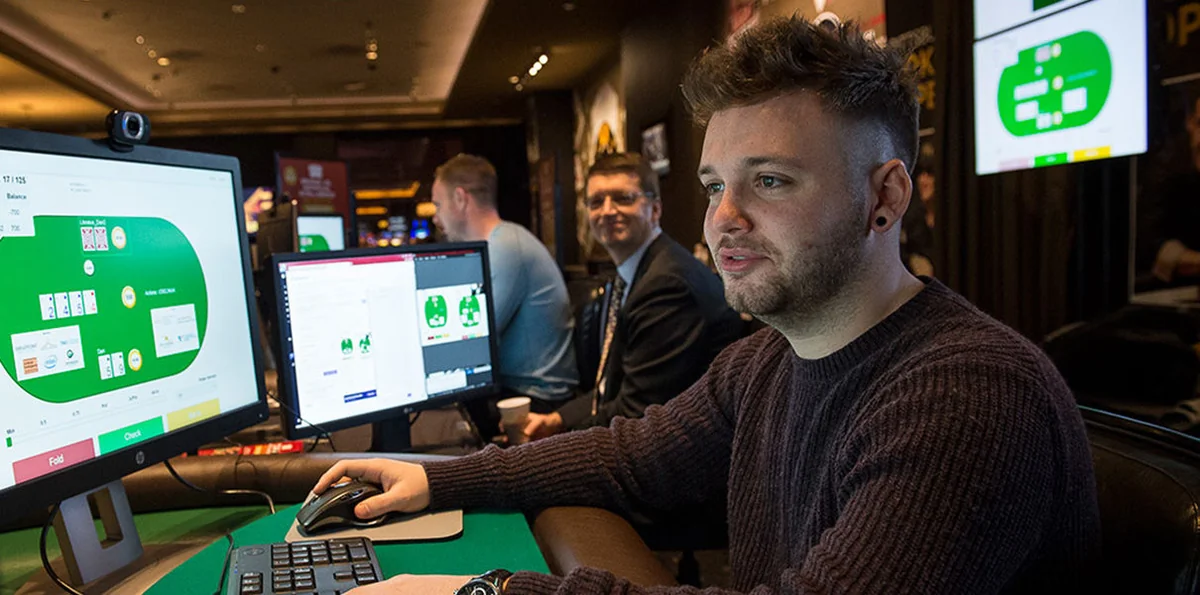
Somewhere streaming from the motherboard of a GPU, someone's watching. Not the cards, not the chips, not the bets. But the very pixels in front of you. The ad that blinks when holding 4-4 on the river. The late-night rebranding of the 888poker client at 3AM. The glitch in animations when played on an old tablet. Today's most sophisticated poker AI watches it all.
Gone are the bots of 2023 who crashed if a site switched to autumn colours. This generation glides through alt-season releases as if it's always rained acorns. It's not just about keeping your win rate steady; it's about "you're fucking burned if you can't figure out what's going on, what clients are trying to trick you with."
I played with one back in late 2024 that crashed when 888 changed their holiday skin. I can traced back every bad beat to that stupid change. It glazed over the paperclutted card tables. The good bots survived but played like drunk tourists in Venice.
The good bots two? Updated the change before I noticed, recognised how the colours were changing how opponents were reacting. Even feigned confusion in chat when the seasonal theme hit.
That's the quiet revolution underway on 888poker: perception as power.
The New Architecture: Layered Intelligence
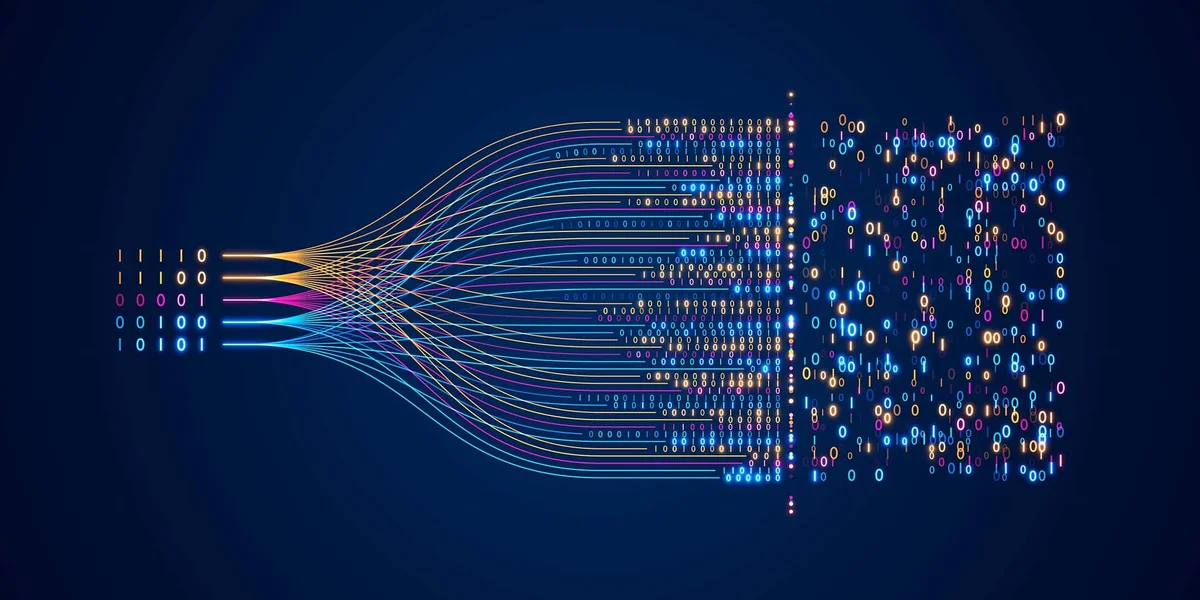
The underlying architecture has changed, perhaps dramatically. The earlier systems played a very basic game: static image recognition as a blunt force, "find a match from a template" tool. A frail construct, as brittle as a thousand interface tweaks. The poker AI being built today uses layering (and mesh networks) that separates game-state comprehension from visual anatomy. One network determines the poker world; another watches over the 888 platform. Back and forth communication, like specialists from each Department in a war room.
Behavioral Mimicry and Detection Evasion
This is important not only to the developers, but perhaps of greater concern to more players. Last quarter, three major sites implemented light touch timing based detection systems. Not the bannable "are you really clicking too quickly" checks we'd seen years back. The systems are tracking for micro-interactions: how long your cursor is hanging in check mode before you fold, whether you scroll the chat window at all while considering a bet, the tempo of your chip stack fiddling. Human players make cacophonous glorious mess. Bots make noise. The cutting edge AI even tosses some noise into its play, simulated hesitation, the slow down of a hectic "ah crap" response to a random click that scoldingly corrects a fatal error, even simulated fatigue, the thinly veiled droopy eye shadows from staring cross-eyed as sessions drag on.
Profiling Beyond Hand History
The sheer volume of this database amassed is startling. What started out as the deposits of hand-history archives are becoming digital finger prints of emotion. When a player with little-to-no knowledge gets stacked by the cooler of the day, their demeanor changes per hand. The AI remembers not only that on Tuesday last month Player X called an overbet with ace-high, but they did while they were whining about work in chat, and even more intriguingly that it was with a mode of speed that was slightly faster than normal. This is profiling. Texas Holdem remains the bread and butter on 888poker, of course. But branching out into PLO is not just about another varient, it's about requiring a completely different set of neural pathways to know when a particular four-card hand on three streets is good.
Multi-Variant Mastery: PLO and Tournament Support
Earlier PLO efforts played like someone reading from a Michelin guide: tourists with no native language. Now they know that opponents are being too rigidly by-the-book with their aces. Or that when someone checks back top two pair on a wet board, weakness is in the air. The intuitiveness of this kind of "multistreet visualization" is new to most people; many of us are still in the (relatively) fledgling stages of PLO automation.
And then there's tournament support. Any survivor of a multi-table tournament understands that the way we approach each common stage of this game differs greatly, say, between the start of Day 1 and Bubble Play, Final Table Levels. Most bots crash and burn at the ICM level transition; drawing equally mistaken applications cash-game dogma on all but the start of a tournament. The breakthrough here comes when the dev team stops thinking of tournaments as singular entities and starts to think of baked-in knowledge as traveling across what act more as psychological spaces than spaces in the traditional sense. Your bot remembers that Villain A "tightens up" once he's a hand or two away from a money jump. Bot timing the duration of hands in Colored Chips, etc. FoF loves it and notices that Villain B clicks a few more chips in his stack after being shown that he left 20s in the cups in… extra gas money to Paradise. Or notices that some Regular suddenly "gives you chips" due to fatigue or distraction. The AI is not astounded with the ad in the middle of the screen during hand but remembers how you said most players will instinctively freeze once it pops up across the felt. It is aware that your opponents will respond differently on the area of the screen that's cut off and readjusts based on their response. Does Player Y fold when distracted by notifications too often? Does Player Z get aggressive when annoyed by a series of frequent pop-ups? The system notes. And logs. Records.
Organic Personality Development
It's a shocking thought, but we've reached the uncomfortable midpoint where 'tool' and 'player' can no longer be differentiated. At a recent conference (disguised as a high-stakes poker strategy event, of course) developers confided in hushed tones about bots now developing their own signature plays. Not inbuilt tics, but organic personality traits the bot developed over millions of hands. One bot, for example, developed a habit of overfolding to any three-bet after being exposed in a certain pool; another learnt to slowplay its monsters when it saw that human players rely on timing tells. Not a patch note, but a self-extrapolated response.
The Arms Race: Detection vs Evasion
International security teams like those at PokerStars know this state of affairs. That's why detection nowadays comes not from the obvious pattern-matching methods of just a few years back, it's buried as further back in reality as you can get: it's in the forensic study of agent behavior. They're not looking for perfect play anymore; they're looking for perfect-not-perfect play - the fugue-state. The uppermost rung of 'smart' bots now come with their own deliberate imperfections, purposeful mistakes. Sometimes these properties come into play if and when the bot misreads a board texture, and makes a bet. Sometimes it chases a draw on an implausible pot odds, or occasionally it goes tilting after getting stacked by a player that sucked out a change - that thing classic cards know all too well, anyhow. The savviest bots get clever and intentionally incorporate a wider variation in these signatures to avoid being held to predictably unpredictable - the problem becomes outdoing the lesson, rather than matching it.
Interface Adaptation: The New Frontier
Interface adaptation - the ability to dynamically adapt as a player interacts with the software in itself is the first strain of programmable disease. A recent launch by 888poker of a whole new mobile interface relying on gesture-betting left most "third party" tools completely stumped. The best AI systems, however, spent their first 48 hours in observer mode - watching how human players adapted, storing away the curves of their learning, logging frustration points. By day three they were integrating these patterns into their own play. They weren't just learning the new interface - they were learning how humans learn a new interface.
Cross-Game Knowledge Transfer
Upcoming bad news PLO and tournament expansions are not just those, they're actually indicative of that paradigm shift towards holistic game understanding. Old bots were like specialists - brilliant at one type of game - blind to any other. Advanced ones now transfer knowledge between the different variants - noting that a bot would play certain PLO hands weakly thus it gets beat by river bluffs when called out on Holdem. Recognizing cross-game patterns are literally terrifying models of player's tendencies.
Digital Natural Selection
What keeps all-nighters awake now are those psychological arms races. Every new bit of human like behavior an AI shows where there is the need for mandatory new detection methods, every evasion method a greenlight for AI to track and start deploying them. The most powerful designed for 888poker today have code that evolves its ideas about imperfection features based on how well they do or don't survive platforms - it's digital natural selection at work, in realtime.
Watching them hunt and operate is like watching aliens play; they don't even think, they aren't even really emotional, but they know how to shoehorn themselves into all the right shaped boxes for humans, and are masters at playing with their emotions. They don't know what tilt is, they've just figured out how to use aversion rates as an indicator and generate more tilt in human players. They don't get bored in an all day session, so they put a timed popup ad right where you're about to click. Not humans. Survival in an ecosystem that is actively trying to find and root out artificial players.
The Platform Counter-Measures
The platforms know this game is on; their security teams are full of botdevelopers who know all the right tricks. They put honeypot tables on the site with impossible situations which make the AI do some real work. They obfuscate parts of the interface so that only human players understand the extra bits. They ensure that there is an ad in office worker hours, at all, where players are more distracted to differentiate between humans and machines. The AI response? Search for honeypots that are really just algorithms, and ignore the tables if bot assumes 'optimal strategies'. It detects itself when the closest player, which it thinks is just working off a calculator, makes a solver-like decision.
Living in the Game
And that is what is happening right now, quietly, even while you look back it's getting clearer and clearer. Right in front of your eyes what looks like just adapting to 888's new interface. The players aren't blind calculators, existing in a world state where all they see are game state, state size, hand ranges compo, pot odds. They see the random pop-ad flash on the screen which distracts your opponent, or the update to the interface last night which changes the betting rhythm - they see that it's 11 at night and now everyone's started to become at least one click, maybe two-clicks, less argumentative.
The bots hitting in early 2026 don't just play poker, they live in it. They weave the world around the card into their lifelong storylines they've been tending towards. They arrive. It changes everything.
Important Disclaimer
This article is for educational purposes only. Using bots or automated tools during live play violates the terms of service of 888poker and other poker platforms and can result in account bans and confiscation of funds. Our software is designed for study and analysis between sessions only.
Study Responsibly with AI
Want to improve your poker game through compliant post-session analysis? Our AI helps you study between sessions, not during play. Try our educational tools today.
Try Free for 3 Days